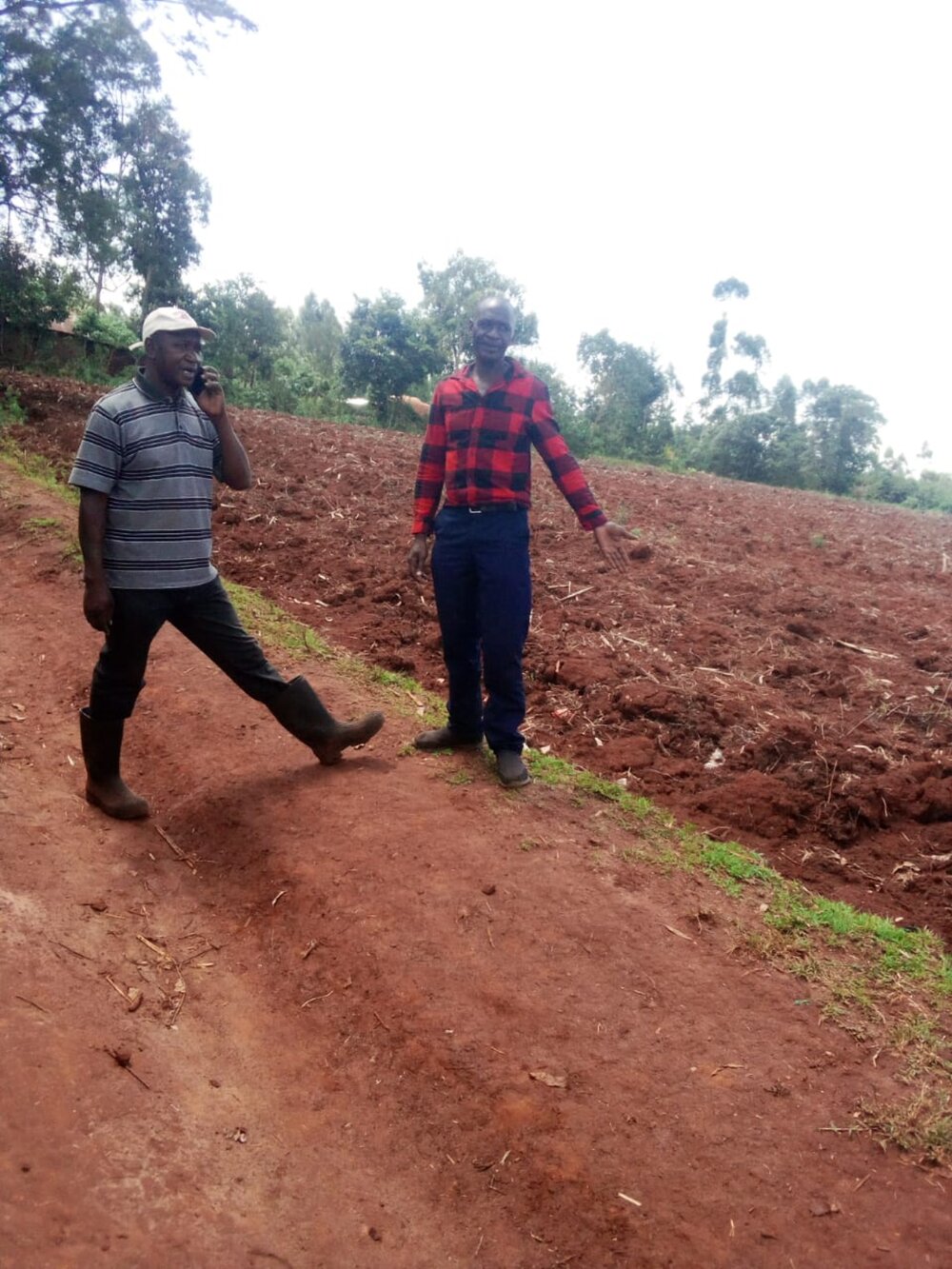
NAMANJALALA WATER INITIATIVE
Water First. Then We Build What Water Makes Possible.
The Namanjalala Water Initiative is a sustainable community development project built around one essential resource: safe, reliable water. Our goal is to begin with responsible borehole development and grow, step by step, into a broader model supporting agriculture, training, youth development, community opportunity, and future self-sustaining enterprise.

Joseph Wafula
Licensed Pharmacist • Health Educator • Community Builder
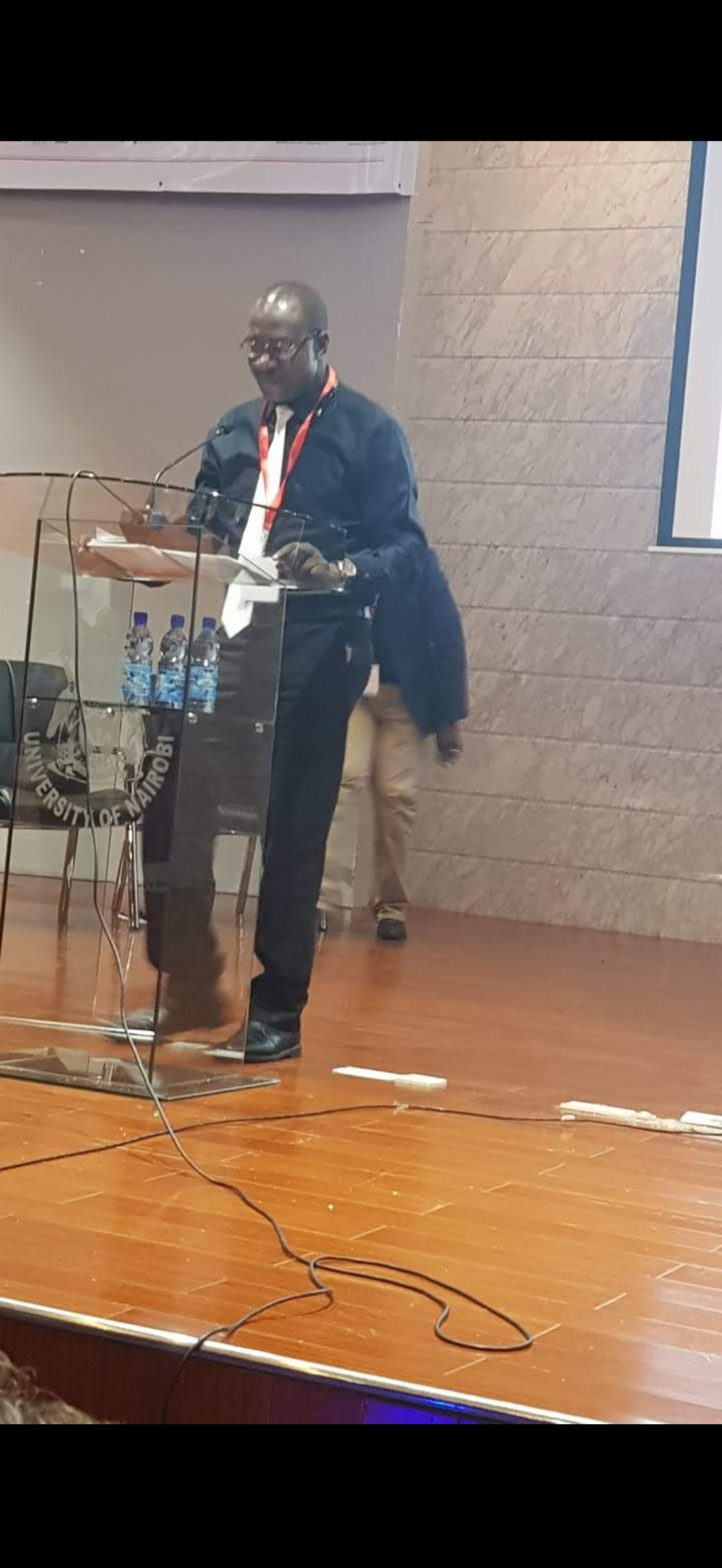
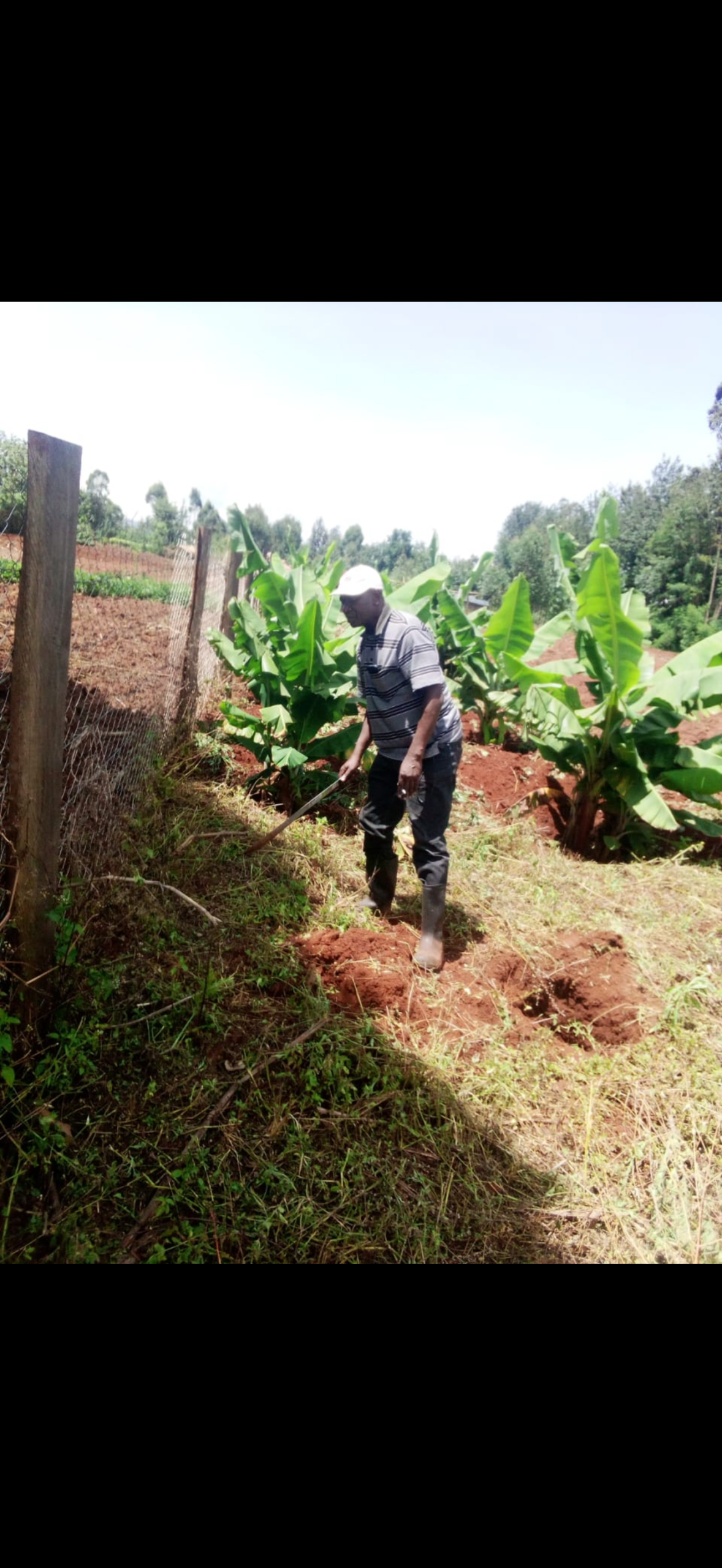
Meet Joseph Wafula
Joseph Wafula grew up in Namanjalala as one of nineteen children, in circumstances shaped by poverty and scarcity. Through education, scholarships, determination, and persistence, he eventually became a licensed pharmacist and later worked in employee wellness and health education. Throughout his life, Joseph supported siblings, children, nieces, nephews, and extended family. Today, he is retired, still raising younger children, and returning to the same community where his story began — this time with a vision to build something that can continue helping others.
“Returning to the same community where my story began — this time with a vision to build something that can continue helping others for generations.”
— Joseph Wafula
Why Water?
Water is the foundation for everything that comes next. It can support:
Household Security
Safe, reliable, and clean water access for everyday family living.
Farming & Irrigation
Year-round crop cultivation free from total dependence on unpredictable rain.
Food Production
Nutritious, homegrown vegetables, bananas, and staple food for the community.
Livestock
Consistent hydration for dairy cows, goats, poultry, and animal husbandry.
Sanitation
Protection from contamination, cholera, and seasonal floodwater diseases.
Community Access
Shared, dignified water points serving neighboring families and students.
Training
Hands-on agricultural, solar, and water management skills for local youth.
Enterprise
Self-sustaining revenue from aquaculture, farm produce, and local value creation.
“Water security is not simply about whether water exists. It is about whether water is safe, reliable, sustainable, and available when people need it. That is why this project begins with proper assessment, testing, and responsible infrastructure.”
Phase One: Water First
Before making promises about what the project can support, we need facts. Phase One will focus on:
“Only after the water source is confirmed will we determine how far the project can responsibly grow. Know first. Build second.”
The Bigger Vision
The borehole is not the end of the project. It is the beginning. If the water source proves viable, the initiative can grow into a connected system supporting:
Sustainable Agriculture & Food
Unlocking year-round productivity and modern climate-smart cultivation:
- Sustainable agriculture
- Irrigation
- Hydroponics
- Aquaponics
- Fish farming
- Demonstration farming
- Food production
Youth Education & Practical Skills
Equipping young learners with practical capability for life and work:
- Youth education
- Financial literacy
- Digital skills
- Practical training
Enterprise & Economic Viability
Fostering community-led economic independence and sustainable livelihoods:
- Entrepreneurship
- Community employment
“The goal is not to create unrelated programs. The goal is to build a system where each part strengthens the next.”
Training & Community Impact
The long-term vision includes a practical learning environment for young people and community members. Training may include:
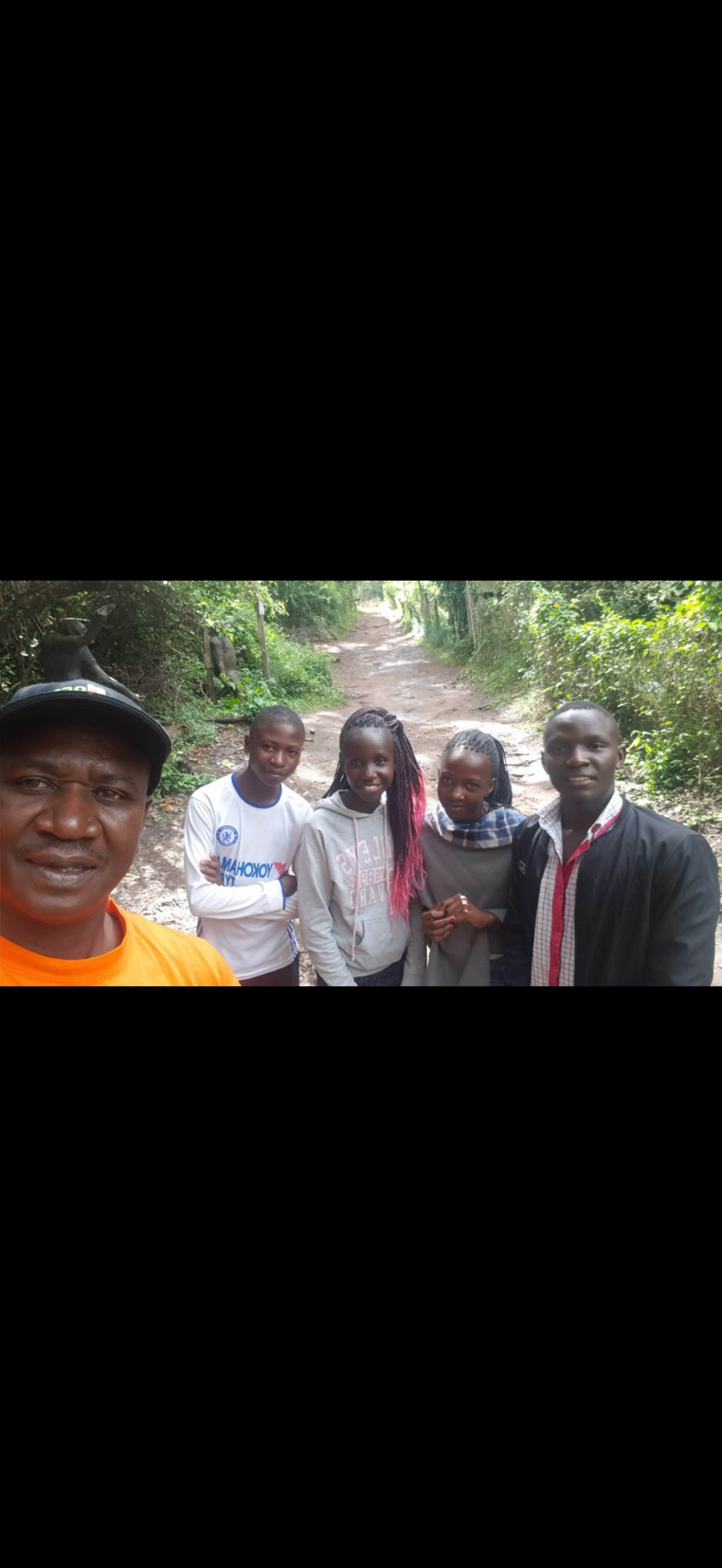
Intergenerational Mentorship
Joseph with local youth in Namanjalala — capability and leadership reproducing itself within the community.
“We want people to do more than hear about opportunity. We want them to practice it. Learn it. Build it. Use it. Teach it.”
Building a Self-Sustaining Model
This project is not designed to depend permanently on donations. Initial support can help build the infrastructure. Long-term productive activity should help sustain it.
Potential future revenue sources may include:
“The objective is simple: Build infrastructure that can gradually help pay for its own maintenance, operations, employment, and future growth.”
We Are Looking for Partners, Not Just Donors
This vision requires more than money. We are seeking people and organizations willing to introduce us to what we do not yet know.
Strategic Partners
Organizations that can help shape the direction, long-term governance, and institutional structure of the project.
Implementation Partners
Nonprofits and programs with verified on-the-ground experience delivering water, agriculture, and youth-development initiatives.
Technical Partners
Hydrogeologists, drilling contractors, solar engineers, aquaculture/hydroponics specialists, and agronomists.
Funding Partners
Foundations, corporate sponsors, and individual donors who believe in building infrastructure that sustains itself.
“Some partners may contribute funding. Others may contribute equipment, knowledge, introductions, training, markets — or simply years of experience that prevent us from making an expensive mistake. We do not need to know everything ourselves. We need to know when to invite the right people to the table.”
Transparency
We intend to document the project from beginning to end. As the work progresses, this website can include:
“The goal is not simply to tell people the project is working. The goal is to show the evidence.”
View the Full Project Book
Please read the full Namanjalala Water Initiative project document directly on this page.
Help Us Build What Comes Next
This project begins with water. From there, we want to build food production, skills, opportunity, enterprise, and greater independence. We are currently speaking with contractors, nonprofit organizations, technical experts, and potential strategic partners. If you believe your organization can contribute to this vision, we would like to hear from you.
Contact
Namanjalala Water Initiative — Project Location: Namanjalala, Kenya
Kenya Contact
Project Ground Leadership & Community
Project Lead – United States
Partnership & International Coordination
Send an Inquiry or Partnership Proposal
Fill out the details below and our team will get in touch directly.